


Material Matters – Part 1: Unexpected Materials That Bring Depth and Character to Contemporary Interiors
A closer look at the less used surfaces, textures and finishes that can make a home feel truly individual and what you should know before using them in your renovation.
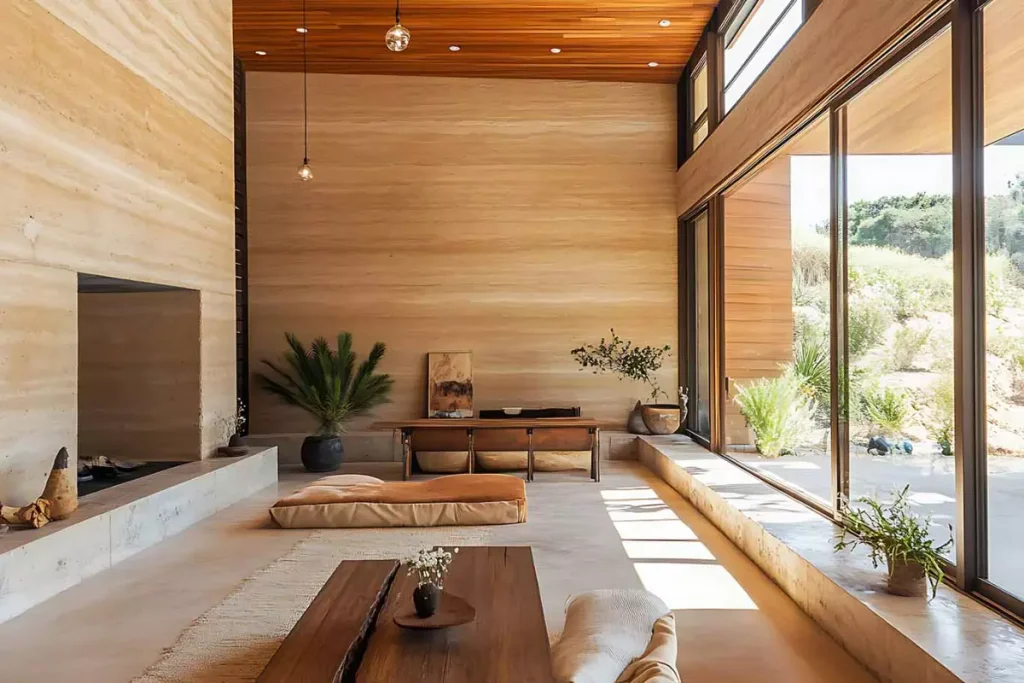
There are some materials I never get tired of looking at.
Not necessarily the expensive ones, or even the ones you’d notice straight away. Often, it’s a surface with an unexpected texture, a finish that catches the light in an interesting way, or something that becomes more beautiful as it ages.
I love discovering materials that challenge our expectations of what a home should look and feel like.
Because when you’re renovating, it’s easy to find yourself choosing between the same familiar options. Marble or travertine? Oak or walnut? Brushed brass or nickel?
All beautiful materials, of course. But there’s a much bigger world out there.
The interesting thing is that you don’t need to fill a home with unusual finishes to create something special. Sometimes it’s one beautifully detailed surface, or an unexpected material used in just the right place, that changes how the entire room feels.
And that’s what this series, Material Matters, is about. I’m sharing 18 materials (in 2 parts) worth knowing about, from glazed volcanic stone and handmade plaster to timber wallpaper and liquid metal. Some are centuries old, others are relatively new applications of familiar materials.
For each, I’ll explain what makes it interesting, where I’d consider using it, and importantly, what you need to understand before specifying it.
Because falling in love with a material is the easy part. Knowing whether it belongs in your home is where the real design thinking begins.
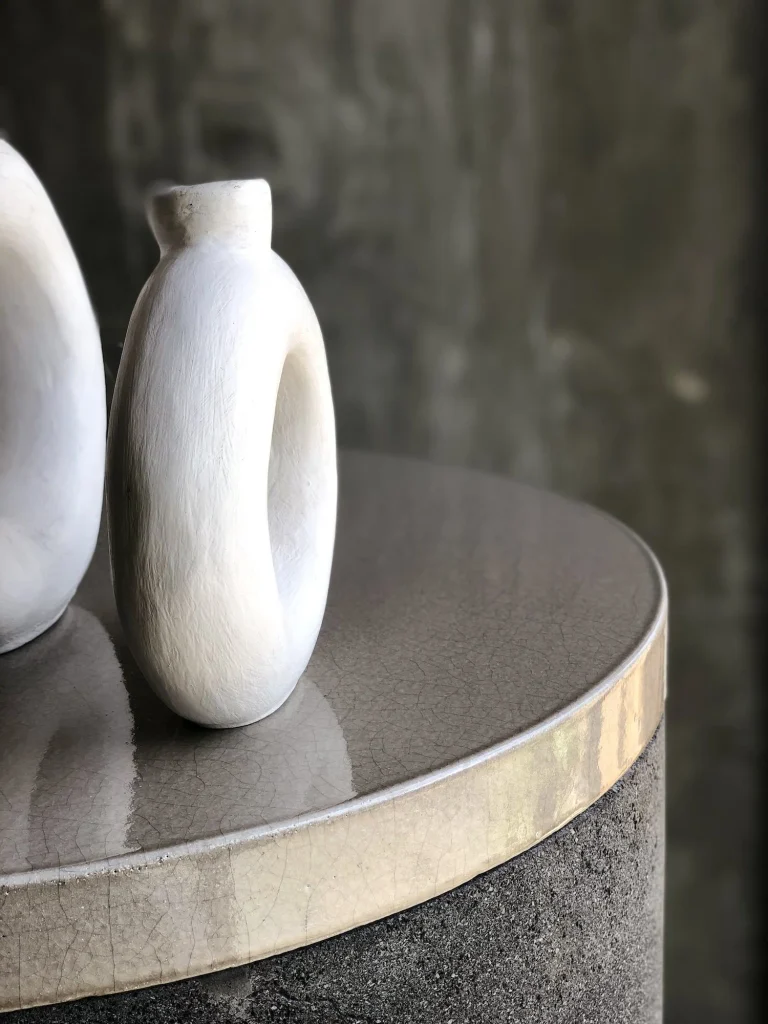
1. Glazed lava stone: perfectly imperfect
Glazed lava stone is exactly what it sounds like: volcanic stone that’s cut, shaped and finished with a fired ceramic glaze.
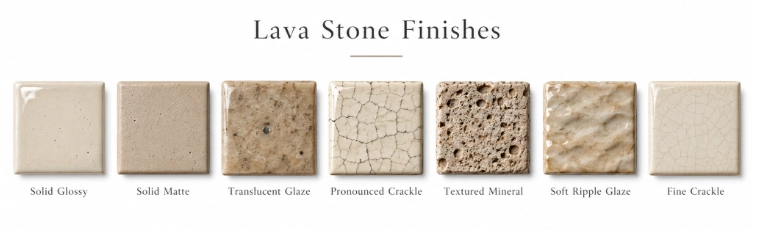
One of the things that makes lava stone so interesting is the range of finishes it can achieve. It can be glazed in almost any colour, with a smooth, glossy or matte surface, or finished with a more translucent glaze that allows the stone’s natural mineral character to show through. For something with more texture, there are finishes that highlight the stone’s natural pores and irregularities, creating a beautifully organic look. Decorative glazing techniques can also introduce subtle ripples, tonal variations or delicate crackle patterns, adding depth and character to the surface. This versatility makes lava stone an appealing choice for both understated interiors and spaces where you want the material itself to be a focal point.
Where I’d use it: A feature fireplace wall, a custom vanity, a coffee table or perhaps a beautifully coloured feature within a more restrained kitchen.
I particularly love the idea of pairing deep green or chocolate-coloured glazed lava with natural oak, warm stone and simple architectural joinery. The contrast between the glossy, almost liquid surface and the quieter surrounding finishes would be gorgeous.
What I’d consider: Not all irregularities are defects, but it’s important to distinguish the intended crackle of a glaze from actual damage. I’d also check the supplier’s repair and maintenance recommendations, particularly for benchtops, where chipped edges and impact damage matter.
The material’s character is part of the appeal. If you want every surface to look absolutely identical, this probably isn’t the one for you.
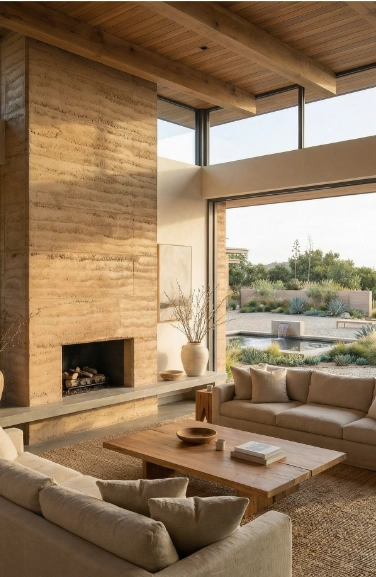
2. Rammed earth: warmth built into the architecture
Rammed earth is made by compacting layers of earth-based material within formwork to create dense, solid walls.
The resulting surface has a beautiful layered quality, with natural variations in colour and texture. It feels grounded, substantial and incredibly tactile.
What interests me most is the relationship between something so raw and a more contemporary interior.
Against crisp architectural glazing, fine metal detailing and beautifully finished timber joinery, rammed earth creates an unexpected softness. Its weight and texture make cleaner contemporary details feel less clinical.
Beyond its appearance, rammed earth is incredibly durable, offers excellent acoustic properties and has high thermal mass, helping to regulate indoor temperatures when used with the right design and insulation. It can also be a more environmentally conscious building choice, particularly when materials are sourced locally and cement content is kept low. With its natural variation and low-maintenance qualities, it’s a material that feels as good as it looks.
Where I’d use it: An entrance wall, a living room feature, or an architectural element connecting interior and exterior spaces.
It’s particularly appealing in a coastal home where you want to move beyond the familiar white-and-oak palette without losing that relaxed feeling.
What I’d consider: This is a construction decision, not simply a decorative finish. Wall thickness, structural engineering, moisture protection, insulation and the requirements of the particular earth mix need to be resolved early.
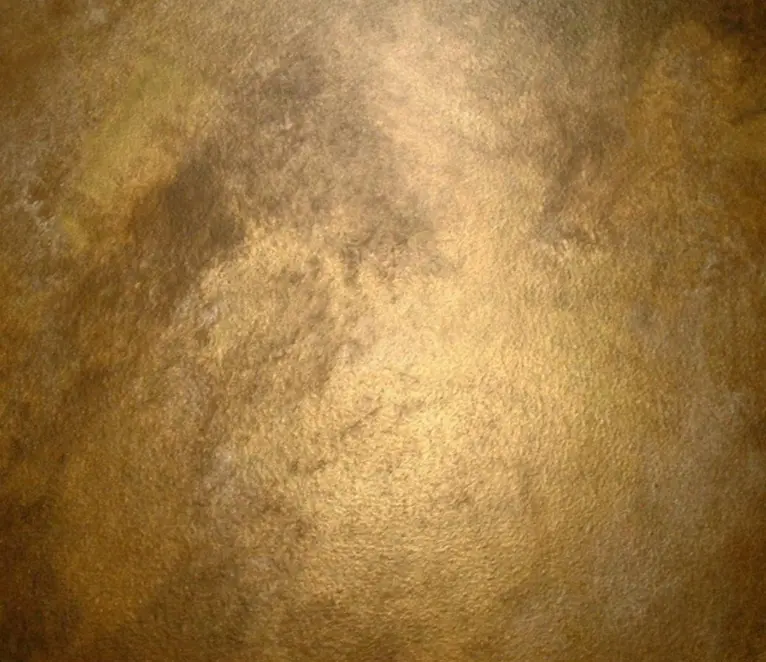
3. Patinated metal: a finish that tells its own story
We’re accustomed to metals looking immaculate. Brushed brass, polished chrome, stainless steel – all chosen for their consistency.
But some of the most interesting metal finishes are deliberately aged, blackened, oxidised or textured.
Think antique bronze, patinated brass or blackened steel with subtle tonal movement.
What I love about these materials is that they have a sense of history, even in a newly renovated home. They also respond beautifully to lighting, revealing different colours and textures throughout the day.
Where I’d use it: Cabinetry details, handles, shelving, decorative panels, rangehood surrounds or a sculptural furniture piece.
A patinated bronze panel within otherwise simple joinery can add more character than introducing another timber species or stone.
What I’d consider: Patinated metal isn’t one universal finish. Some products are sealed to preserve the appearance, while others continue to change through touch, moisture and oxidation.
Before specifying it, I’d want to know whether the client actually enjoys the idea of a developing patina, or simply likes the appearance of an aged finish on day one.
Those are two quite different expectations.
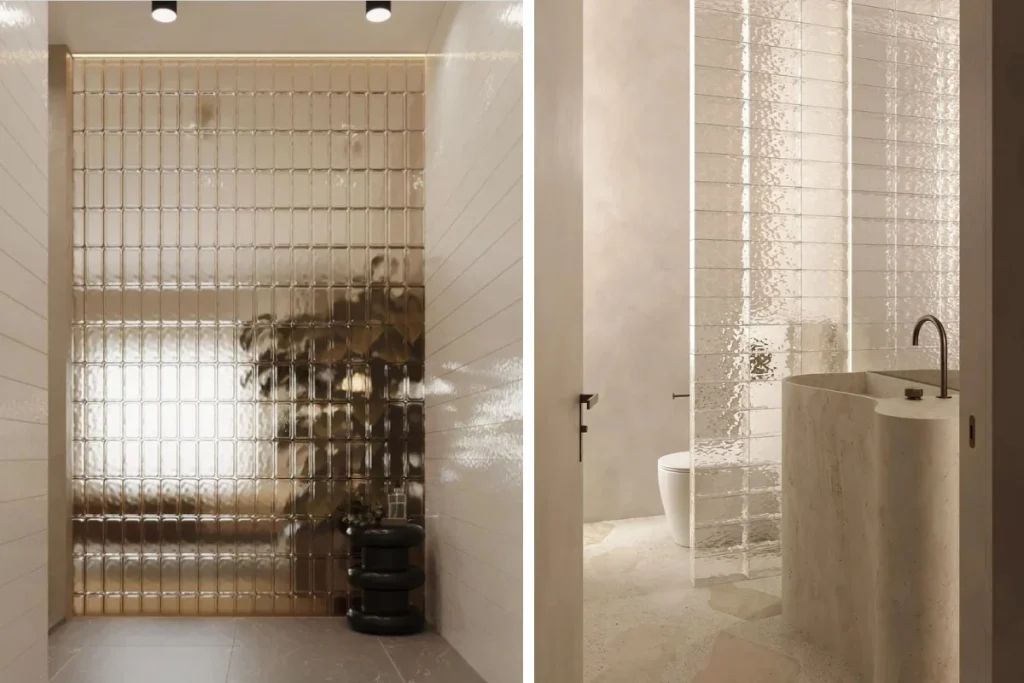
4. Textured architectural glass & glass blocks: privacy without closing off a room
Reeded, fluted, cast and patterned glass offer something that solid walls and doors cannot – a sense of separation while still allowing natural light to move through a space.
Glass blocks take this a step further. Their thickness, repeating patterns and beautifully imperfect reflections give them a sculptural, architectural quality. Used as a full wall or smaller partition, they can become an interesting architectural feature in their own right.
Different glass textures diffuse light and distort shapes in different ways. Some create soft, blurred silhouettes, while others produce interesting patterns and reflections as the light changes throughout the day.
Where I’d use it: Reeded or fluted glass works beautifully in pantry doors, display cabinetry and home offices. Glass blocks can be particularly effective in larger bathrooms, internal partitions or feature walls where you want to introduce texture while maintaining natural light.
In contemporary coastal interiors, both can work beautifully alongside timber and natural stone, adding another layer of detail without introducing more colour.
What I’d consider: It’s important not to underestimate how textured glass affects our perception of space. Just because light can pass through a material doesn’t mean the room will feel more open.
For example, I wouldn’t generally recommend fluted or heavily textured glass for a shower screen in a small bathroom. Although it lets light through, it still creates a visual barrier that can make the room feel smaller and more enclosed. Clear glass allows your eye to travel through the entire space, making the bathroom feel larger and less divided.
Privacy is another consideration. Obscured visibility isn’t necessarily the same as privacy, and silhouettes may still be visible depending on the glass texture, lighting and proximity.
The key is understanding where texture adds something to a space and where a simpler, clearer finish will actually achieve a better result. Glass blocks also need careful planning around scale, framing, installation and waterproofing in wet areas.
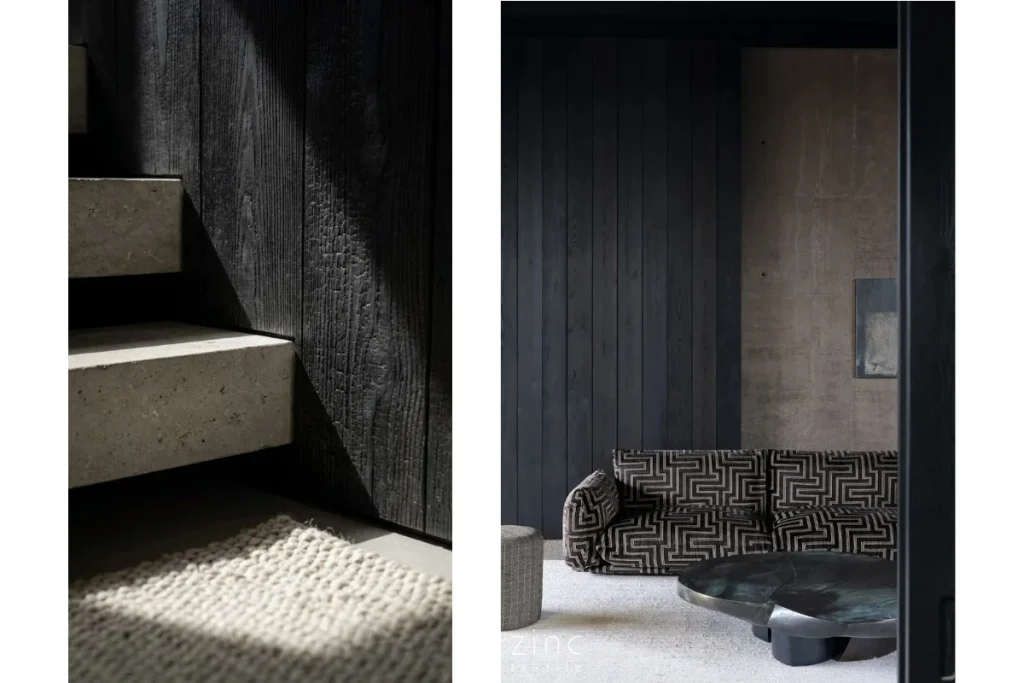
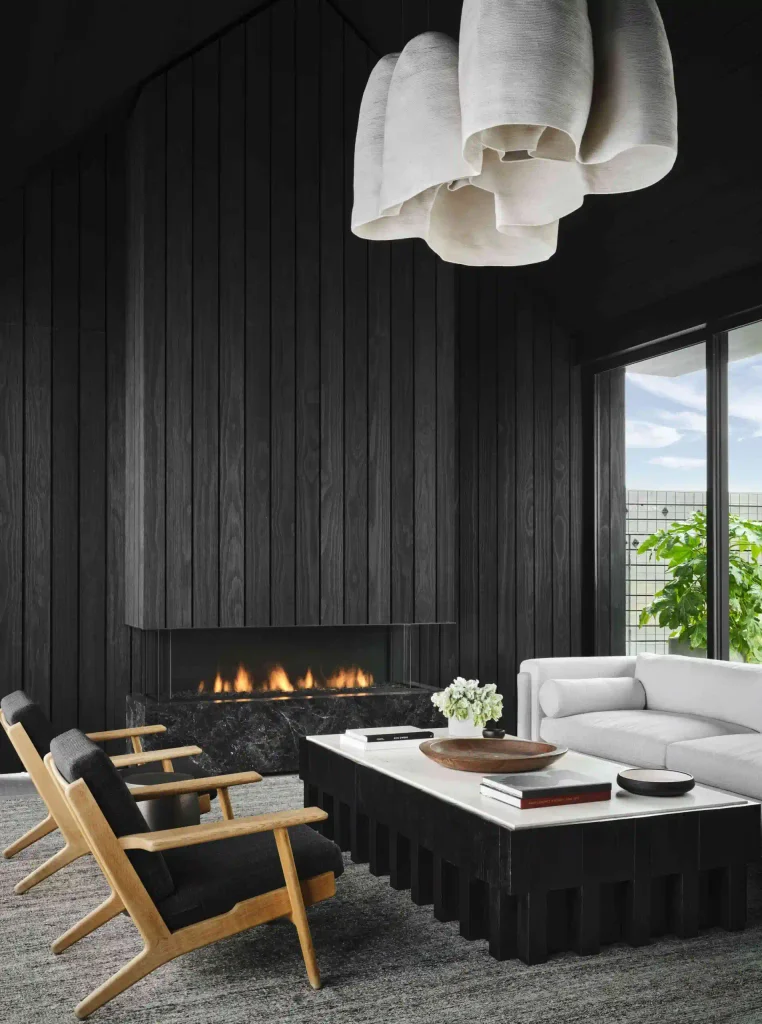
5. Shou Sugi Ban: timber with extraordinary depth
Shou Sugi Ban is the name commonly used in interiors for a Japanese-inspired timber charring technique, more traditionally known as yakisugi.
The timber surface is charred to create an intensely dark, textured finish, sometimes revealing an almost crocodile-skin pattern in the grain.
I find it fascinating because it takes something as familiar as timber and changes our perception of it completely.
Rather than disappearing into the background, the grain becomes a feature in its own right.
Where I’d use it: A feature wall, architectural screening, a dramatic entrance or custom cabinetry, not to mention dramatic exterior cladding.
I’m especially drawn to its use in small, deliberate areas. A charred timber panel behind a beautifully simple piece of furniture can create incredible depth without making an entire room feel dark.
What I’d consider: Charring alone doesn’t guarantee a particular level of weather resistance, durability or fire performance. Results depend on the timber species, treatment and finishing system. For an interior, I’d also check whether the surface sheds residue and how easily it can be cleaned.
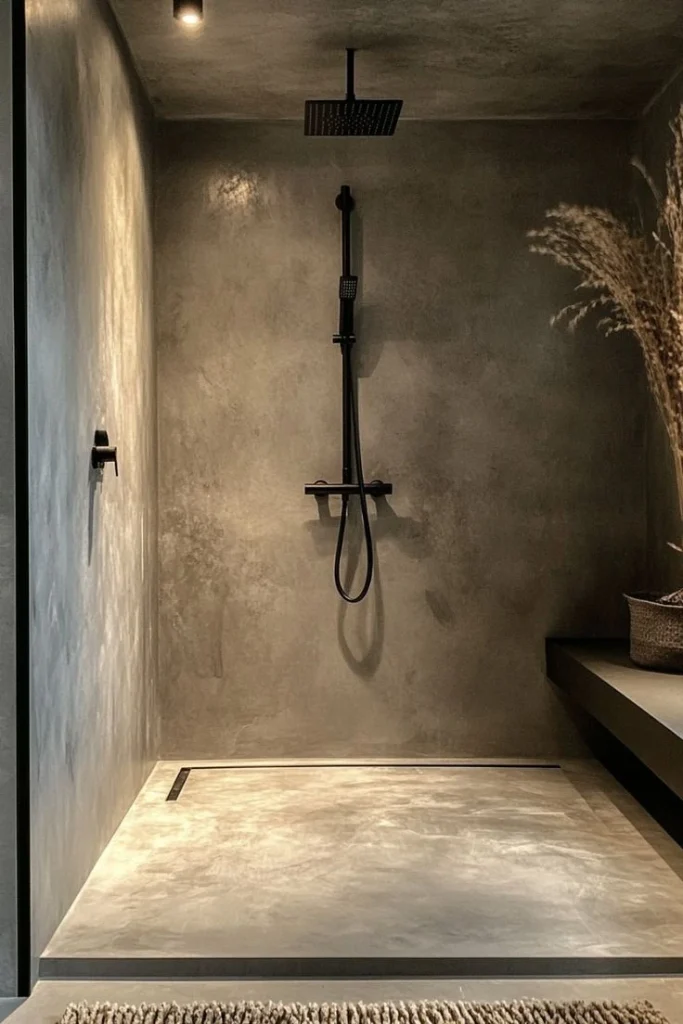
6. Tadelakt: the beauty of a surface without obvious joins
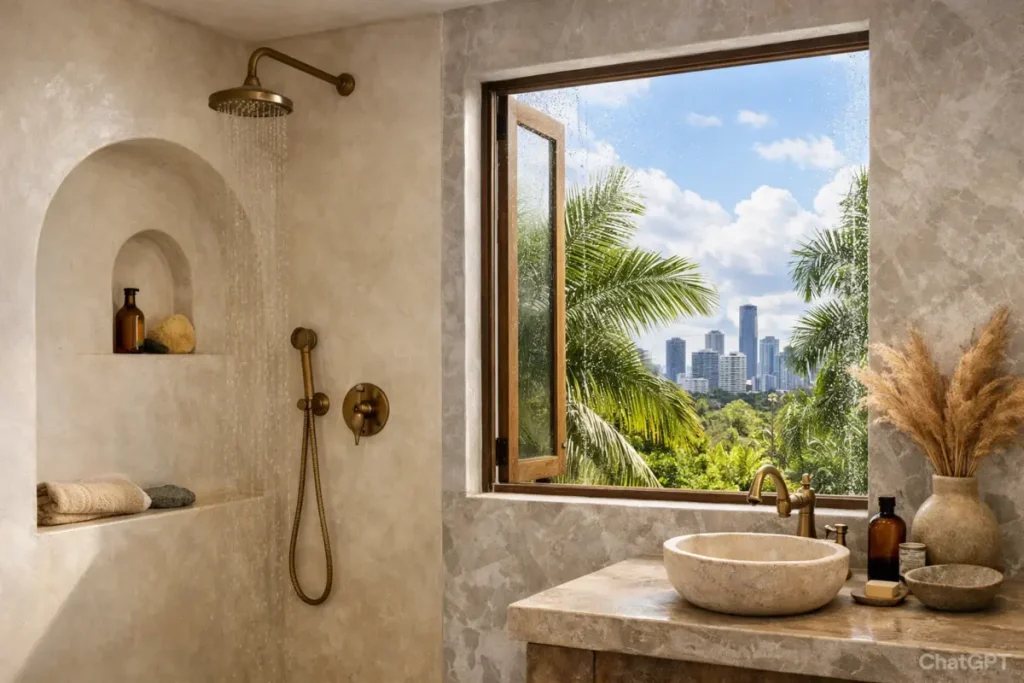
Tadelakt is a traditional Moroccan lime plaster finish, hand-polished and treated using a specialist process to create a smooth, softly luminous surface.
It has an almost stone-like quality, but without the precision of cut slabs or the grid of tiled walls. What makes it particularly beautiful is its subtle imperfection – gentle tonal variations, movement and the marks of its application give each surface a unique character.
The result feels natural and handmade, but still sophisticated and contemporary.
How it compares to other plaster finishes: Tadelakt is often compared to microcement and traditional plaster, but there are some important differences.
Unlike plaster of Paris, which is gypsum-based and generally suited to dry interiors, Tadelakt is lime-based and has traditionally been used in Moroccan bathrooms. Its polished, soap-treated surface is water-repellent when correctly applied and maintained.
Microcement offers a similarly continuous appearance, but generally has a more uniform, contemporary feel. Depending on the product and installation system, it can also be used across floors, walls, vanities and showers, making it a versatile option for modern bathrooms.
For me, the appeal of Tadelakt is its organic quality. It has a softness and depth that’s difficult to replicate with more uniform finishes, and its natural variation brings warmth to what might otherwise feel like a fairly minimal space.
Where I’d use it: Powder rooms, sculptural feature walls, curved niches and carefully detailed bathrooms.
Where I’d use it: I’d particularly love it in a bathroom with simple stone flooring, beautifully restrained tapware and warm indirect lighting. Its softly reflective surface responds beautifully to light, adding interest without needing additional patterns or materials.
What I’d consider: Traditional Tadelakt is a specialist finish, not an ordinary plaster that can simply be painted and sealed. The quality of the application is critical, particularly in wet areas.
The substrate, waterproofing, detailing around penetrations and ongoing maintenance all need careful consideration. Not every polished plaster marketed as Tadelakt is suitable for direct shower exposure, and neither Tadelakt nor microcement should be treated as a substitute for a properly designed waterproofing system.
I’d also want clients to understand that natural variation and ongoing care are part of living with this finish.
Ultimately, I’d choose Tadelakt for its warmth and character, but only where the installation requirements and maintenance expectations suit the home and the people living in it.
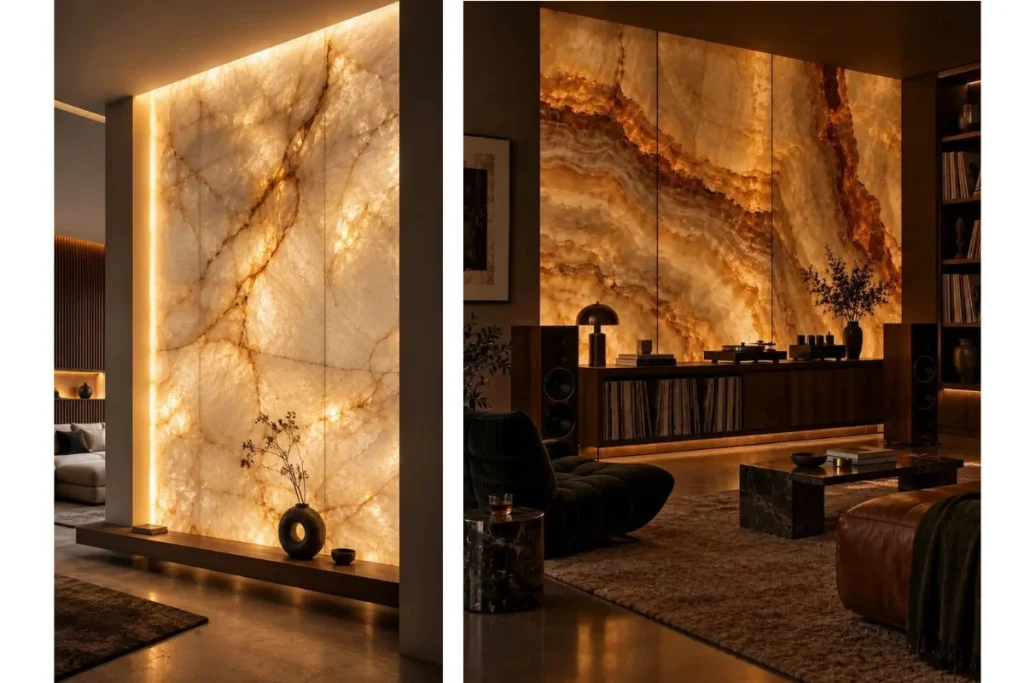
7. Translucent stone: when lighting becomes part of the material
Certain varieties of onyx, alabaster and other translucent stones allow light to pass through them.
On their own, they’re already beautiful. But backlit, they become something quite different.
Veining, natural inclusions and colour variations that might appear subtle in daylight suddenly have extraordinary depth.
What fascinates me here is that the material isn’t really complete until the lighting has been considered.
Where I’d use it: A backlit bar front, decorative niche, sculptural wall panel or a carefully detailed vanity feature.
In my opinion, translucent stone works best when used sparingly. One backlit panel can be extraordinary. An entire room of it can quickly become overwhelming.
What I’d consider: Lighting design, stone selection and installation must be developed together.
Different slabs transmit light differently, and the placement of LEDs can create visible hotspots. I’d want to see the actual selected stone illuminated with the proposed lighting system before approving it.
Access to the lighting for future maintenance is another detail that’s easy to overlook.
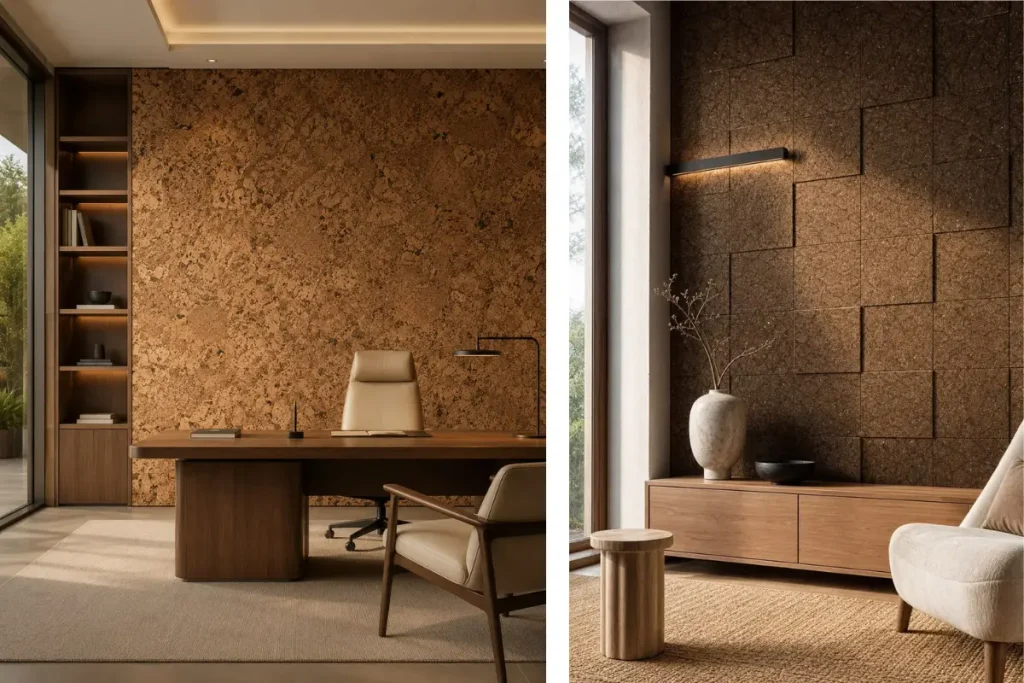
8. Cork: much more interesting than you remember
Forget the school noticeboard.
Contemporary cork comes in beautifully textured tiles, panels, wall coverings and flooring, with finishes ranging from soft natural tones to deep, almost charcoal colours.
It’s warm to the touch, visually interesting and has useful sound-absorbing properties in certain applications.
What I particularly appreciate is how cork can bring softness into contemporary architecture without relying on fabric or upholstery.
Where I’d use it: A home office, reading room, study wall, bedroom feature or perhaps a media room.
In homes with large expanses of glass, polished concrete and hard flooring, selecting materials that soften the acoustic experience can make a noticeable difference.
What I’d consider: Cork’s acoustic performance depends on the product and the entire wall or floor system. A thin decorative cork veneer won’t necessarily perform like a tested acoustic panel.
Its resilience, moisture resistance and surface finish also vary considerably.
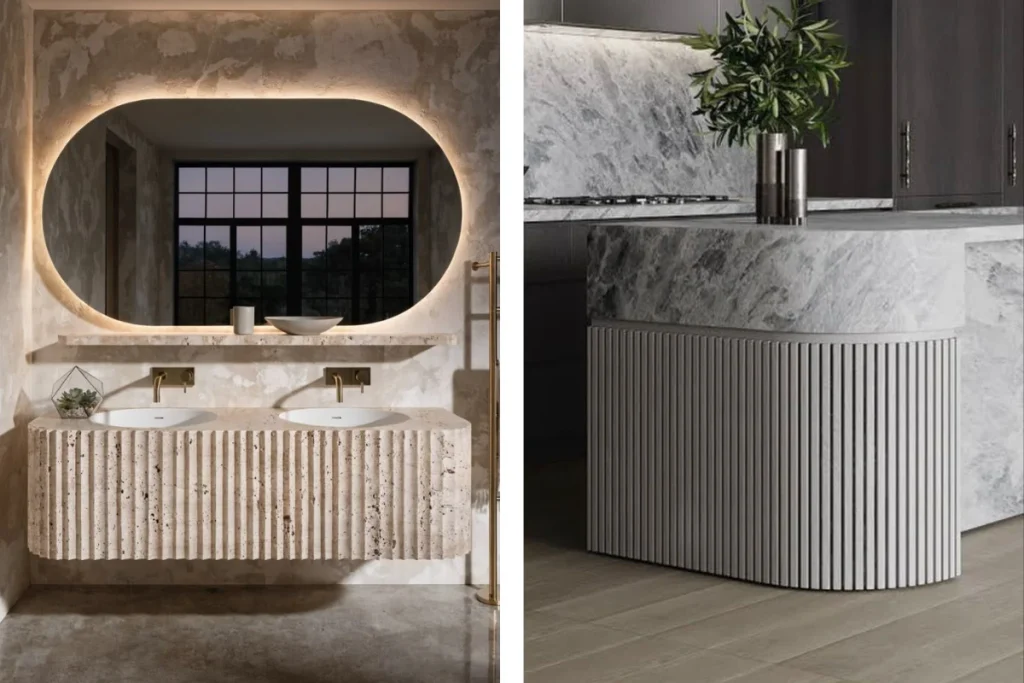
9. Fluted and carved stone: familiar material, completely different effect
We often choose stone because of its veining and colour.
But what happens when we change the surface itself?
Fluting, carving, ribbing and sculptural profiling can transform marble, limestone or travertine into something that responds to light in a completely different way.
Even a fairly understated stone can become extraordinary when carefully shaped.
Where I’d use it: A kitchen island front, vanity face, fireplace surround, decorative wall or custom furniture piece.
I particularly love carved stone when the profile is subtle enough to notice gradually, rather than dominating the room.
What I’d consider: More texture means more edges, recesses and areas that need cleaning.
I’d pay particular attention to the stone type, carving depth and location. A deeply fluted splashback behind a cooktop may look beautiful, but is it something you’ll enjoy wiping down after cooking?
Sometimes the best place for a heavily textured finish is where it can be appreciated without being constantly exposed to splashes and grease.
How do you choose unusual materials without making your home feel overdesigned?
Having access to more interesting materials doesn’t mean we should use more of them.
In fact, I think the opposite is often true.
The most successful interiors tend to have a clear material hierarchy. There are quieter surfaces that allow a room to breathe, and then a smaller number of details that draw your attention.
A beautifully glazed lava splashback might be the focal point in a kitchen. If that’s the case, perhaps the cabinetry, benchtop and flooring should be more restrained.
A rammed-earth wall already brings depth, variation and texture. It may not need a heavily veined stone or multiple patterned finishes competing alongside it.
And sometimes, choosing something unexpected isn’t about introducing a new material at all. It’s about using a familiar one differently – carving stone, changing the sheen of timber, or rethinking how glass divides a room.
I tend to think about four things before selecting a distinctive finish.
1. What is the material contributing?
Is it warmth, texture, reflection, softness, privacy or contrast?
There should be a reason for its inclusion beyond being unusual.
2. How will it feel to live with?
A rough-textured surface might look wonderful in a photograph but be uncomfortable to touch. A glossy cabinet might be beautiful but frustrating if it shows every fingerprint.
The way we experience a material every day matters just as much as its appearance.
3. What will it look like in five or ten years?
Some materials develop a patina that becomes part of their appeal. Others need protection to maintain their original appearance.
Neither is necessarily better, but the distinction needs to be understood.
4. What else does this decision affect?
A material choice can change lighting requirements, joinery construction, cleaning routines, waterproofing, installation costs and even the sequencing of a renovation.
That beautiful backlit stone panel, for example, requires far more planning than simply selecting a slab.
And a specialist plaster finish may need to be discussed with the builder well before the final finishes are ordered.
These are the details that make material selection a design decision rather than just a shopping exercise.
A final thought: the best materials aren’t always the most unusual
One of the things I love most about interior design is that there isn’t a single formula for creating a beautiful home.
Sometimes it’s a beautifully figured piece of timber. Sometimes it’s an understated limestone floor. And sometimes it’s a material you’ve never considered before that turns out to be exactly what the space needs.
For me, the goal is never to make a home look expensive or different for the sake of it.
It’s to create rooms with character, where the materials feel right together, the details are carefully resolved, and the result continues to bring pleasure long after the renovation is complete.
If you’re planning a renovation or new build on Sydney’s Northern Beaches, we can help you explore what’s possible, find finishes that suit the way you live, and make sure the practical details are considered just as carefully as the appearance.
Explore our Bespoke Renovations & New Builds service, browse our past projects or get in touch to talk about your project.